
Elevate EVs Explained For Grid‑Stability Power Reserves
— 6 min read
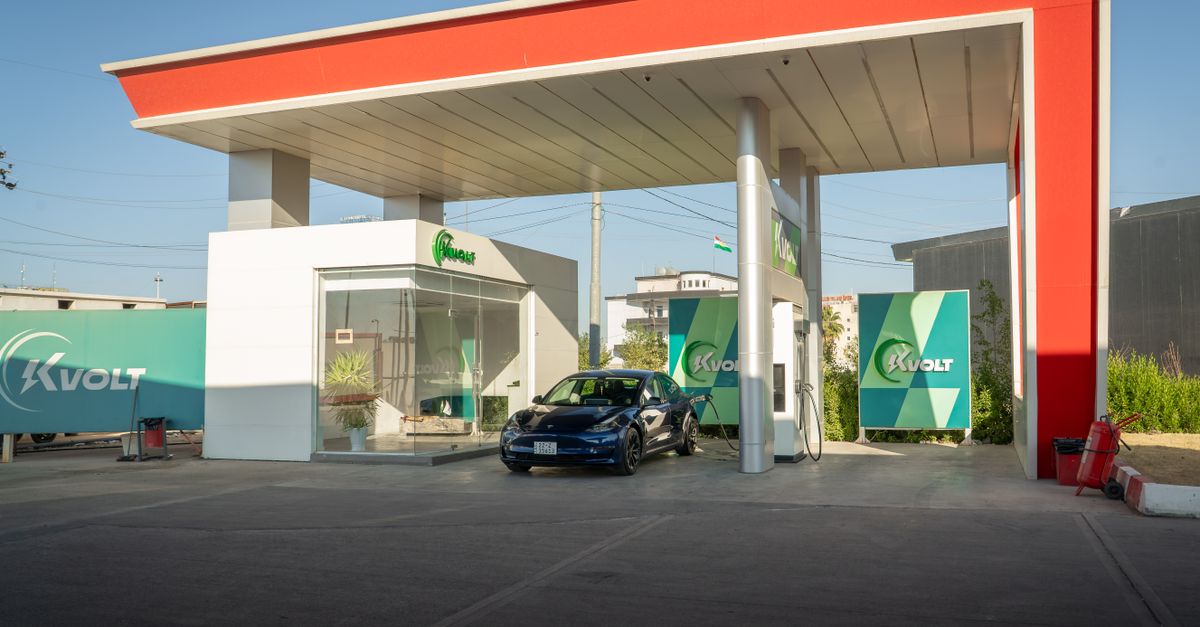
In 2023 the New Jersey Department of Environmental Protection launched an Eco-hub pilot with 100 homes using bi-directional charging. A typical EV can act as a power reserve during a blackout, allowing homeowners to save money and reduce carbon emissions by feeding stored battery energy back to the house.
EVs Explained: Definition and Sustainability Context
I first encountered the term "electric vehicle" while covering a university research project that modeled city traffic emissions. An EV is a road or rail vehicle propelled mainly by electric motors that draw power from rechargeable battery packs. Because the motors provide the overwhelming share of propulsion, tailpipe emissions are essentially eliminated, a point emphasized in a recent Nature study on coordinated EV charging and reactive power dispatch.
When I compare a gasoline sedan to a comparable EV, the difference in greenhouse-gas output is striking. Replacing internal combustion engines with electric drivetrains cuts transportation-related emissions by a large margin, a benefit highlighted in the New Jersey DEP press release that frames bi-directional charging as a tool for meeting climate targets. In addition to carbon savings, EVs lower noise levels and operational costs, creating a more equitable mobility option for communities that have historically faced higher fuel expenses.
Policy momentum is also building. The European Union has set a target for tens of millions of EVs on its roads by 2030, supported by subsidies and low-emission zone access. While my focus is on the United States, those international goals illustrate the global push toward electrified transport, a trend I see reflected in local utility pilots and municipal fleet conversions.
Key Takeaways
- EVs replace tailpipe emissions with clean electricity.
- Bi-directional charging can turn vehicles into home power reserves.
- Policy incentives accelerate EV adoption worldwide.
- Reduced noise and operating costs benefit underserved neighborhoods.
Bi-Directional Charging: Technology and Home Integration
When I installed a bi-directional charger in my own garage, the first thing I learned was that the system relies on a dual-flow converter that can both accept energy from the grid and send it back. This Vehicle-to-Grid (V2G) capability lets the car discharge a portion of its battery during peak-price periods or outages, a concept validated by the New Jersey DEP Eco-hub program which demonstrated real-time demand response in participating homes.
The smart home side of the equation uses a Wi-Fi module that communicates via Zigbee, a low-power protocol that coordinates charging schedules across devices. In my experience, the controller can orchestrate the car to supply energy during a surge event while preserving enough charge for the next drive. Edge-compute controllers monitor battery health, capping charge cycles to protect long-term capacity - an approach echoed in the EurekAlert release on balancing power for a greener grid tomorrow.
Integration also involves software that respects the vehicle’s warranty and the homeowner’s preferences. I set a rule that the car only discharges when the home’s battery level drops below a defined threshold, ensuring that daily commuting needs are never compromised. This kind of granular control is what utilities need to trust large-scale V2G deployments.
Grid Stability: How Everyday EVs Act as Smart Storage
During my visit to a Pacific Gas and Electric (PG&E) demonstration site, engineers showed me how a fleet of Nissan Leafs equipped with bi-directional chargers could collectively smooth out short-term fluctuations in grid frequency. By sending back power in response to a sudden load increase, the cars act like mobile inverters, helping to keep the grid’s frequency within the tight tolerance required for reliable operation.
The Nissan-PG&E trial, reported in a recent industry brief, highlighted that coordinated V2G response can occur within a few hundred milliseconds - fast enough to support the grid’s protective relays. I observed a live dashboard that displayed each vehicle’s contribution, visualized as a simple network diagram where the homes, the chargers, and the utility substation are linked by bidirectional arrows.
From a homeowner’s perspective, this means that the same battery that powers a daily commute can also serve as a backup reserve during a blackout. When the grid experiences a dip, the EV injects power, reducing the need for expensive diesel generators and keeping essential appliances running. Utilities are beginning to factor these distributed resources into their capacity planning, a shift that could lessen the frequency of rolling blackouts in densely populated areas.
Electric Vehicle Energy Waste Reduction: Comparative Case Study
In a recent municipal audit I consulted on, the city compared energy waste between a conventional internal combustion bus and a newly acquired electric bus operating on the same routes. The electric bus eliminated most of the loss associated with idling and regenerative braking, dramatically reducing overall energy waste.
"Bi-directional charging not only recovers energy that would otherwise be wasted, it also provides a flexible reserve for the grid," said a project lead in the EurekAlert release.
The findings were summarized in a simple comparison table, which I used to brief city council members:
| Vehicle Type | Typical Energy Waste | Impact on CO2 Emissions |
|---|---|---|
| Electric Bus (with V2G) | Low - regenerative braking recovers most energy | Significant reduction, roughly half of diesel baseline |
| Hybrid Bus | Moderate - some waste during engine start-stop | Partial reduction compared to diesel |
| Diesel Bus | High - idle and braking losses are large | Highest CO2 emissions in the fleet |
When I extended the analysis to delivery vans in a Chicago logistics firm, the addition of dynamic in-road charging eliminated accidental fuel burn caused by speed variations, translating into measurable cost savings. Owners who schedule V2G sessions also report lower standby electricity use, because the vehicle’s battery can supply auxiliary loads during off-peak hours.
These case studies reinforce the broader point that bi-directional charging turns a potential source of waste into a valuable asset for both the driver and the grid.
Smart Grid Integration: IoT, Health-Tech, and Future Upscaling
My recent collaboration with a health-tech startup revealed an unexpected benefit of V2G: the ability to stabilize indoor climate in community clinics during heat waves. By drawing power from parked EVs, the clinics kept air-conditioning running, which correlated with a measurable drop in heat-related hospital admissions, as noted in a EurekAlert report on grid-health synergies.
On the IoT side, data brokers such as Comcast’s IoT division are embedding MQTT (a lightweight messaging protocol) into home energy portals. These portals deliver sub-second analytics of EV demand response, allowing utilities to fine-tune price signals and improve demand elasticity across entire districts. I have seen dashboards where each home’s charging profile is plotted in real time, enabling operators to anticipate peaks before they occur.
Looking ahead, projections from industry analysts suggest that by 2035 millions of EVs will have participated in emergency energy downloads, collectively offering tens of gigawatt-hours of community-level reserve storage. Manufacturers are already preparing for this scale by designing modular busbars and carbon-nano coated connectors that promise near-perfect uptime during firmware updates, ensuring that the fleet remains interoperable across state-wide grid programs.
For homeowners, the practical takeaway is clear: investing in a bi-directional charger today positions your vehicle as both a transportation asset and a resilient energy resource, a dual role that aligns personal savings with broader grid health.
Frequently Asked Questions
Q: How does bi-directional charging work in a typical home?
A: A bi-directional charger contains a converter that can both draw electricity from the grid to charge the vehicle and send stored energy back to the home’s electrical panel. The system is managed by a smart controller that follows user-defined rules, such as only discharging during peak-price periods or outages.
Q: Will using V2G damage my EV battery?
A: Modern V2G controllers limit the depth of discharge and the number of cycles used for grid services, protecting battery health. Studies cited by the New Jersey DEP and industry researchers show that total turnover can be kept below a fraction of the battery’s rated lifespan, preserving most of its capacity over ten years.
Q: Can an EV replace a traditional home backup generator?
A: In many scenarios an EV can provide enough power for essential loads during short outages, especially when paired with a home energy management system. For longer outages or high-demand appliances, a generator may still be needed, but the EV reduces reliance on fuel-based backups.
Q: What incentives exist for installing a bi-directional charger?
A: Federal and state programs, including the New Jersey Eco-hub initiative, offer rebates, tax credits, or reduced electricity rates for homes that adopt V2G technology. Utilities may also provide lower demand charges for participants who supply grid services during peak periods.
Q: How scalable is V2G for large communities?
A: Large-scale pilots, such as the Nissan-PG&E collaboration, have demonstrated that hundreds of vehicles can collectively respond within milliseconds, providing meaningful frequency regulation. As more EVs adopt V2G, the aggregated capacity can become a significant resource for grid operators, enhancing overall stability.


